

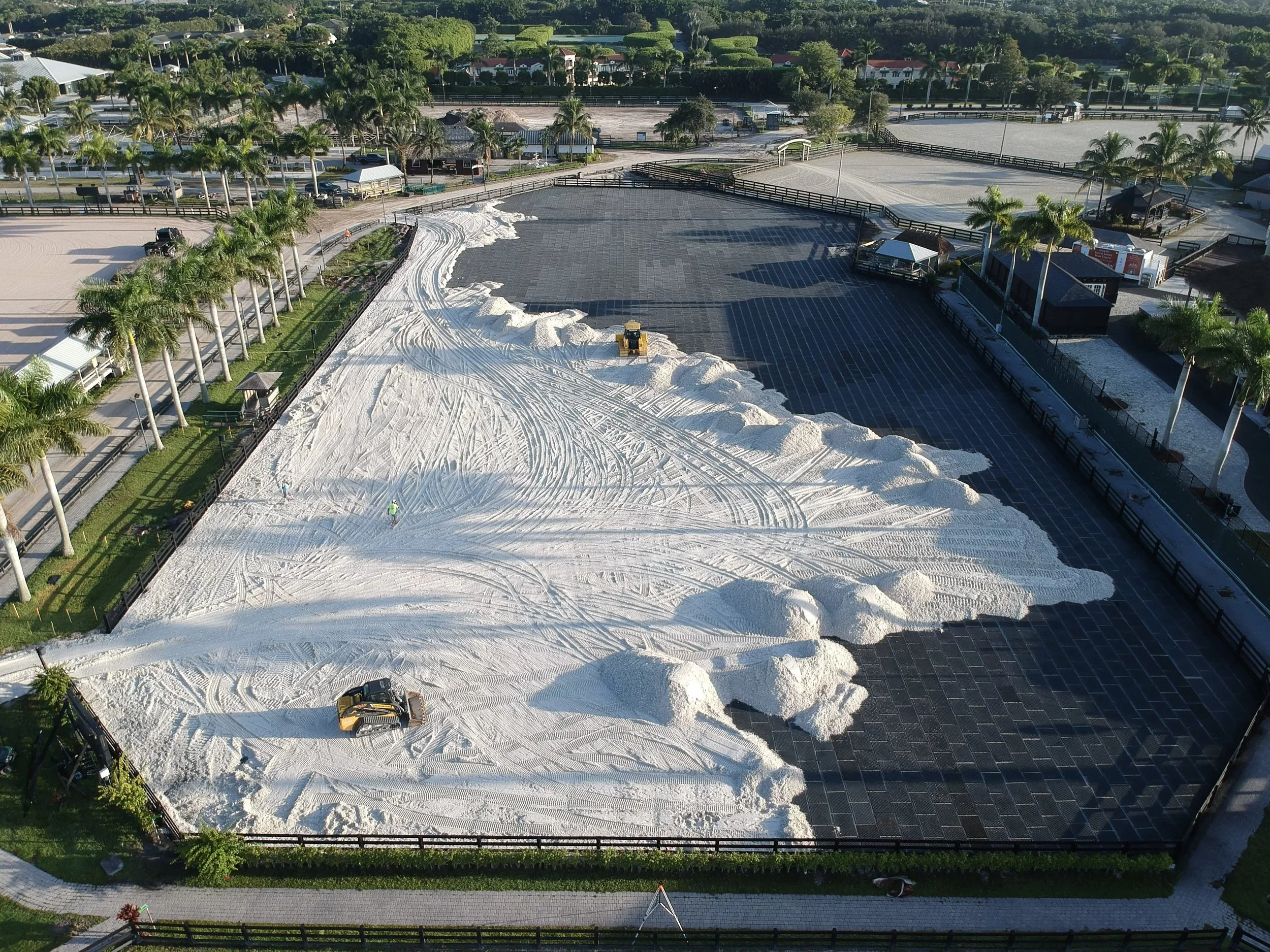
Arenas Engineered for the Horse
Designed to manage how the surface responds to every stride.
12 Million sq ft Installed Globally
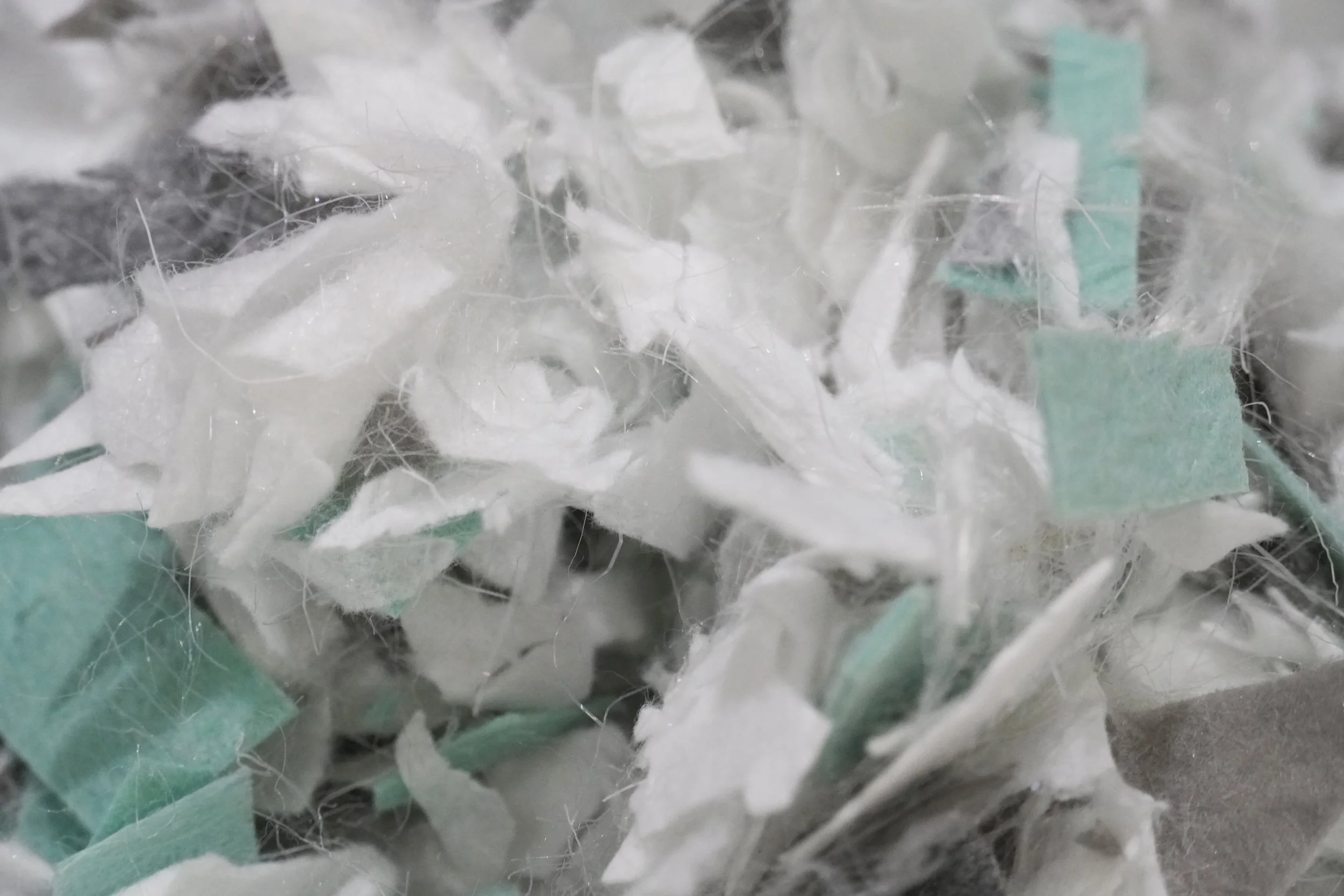
Arena Footing
Built to control how the surface responds under the horse—managing compaction, cushion, and consistency stride after stride.
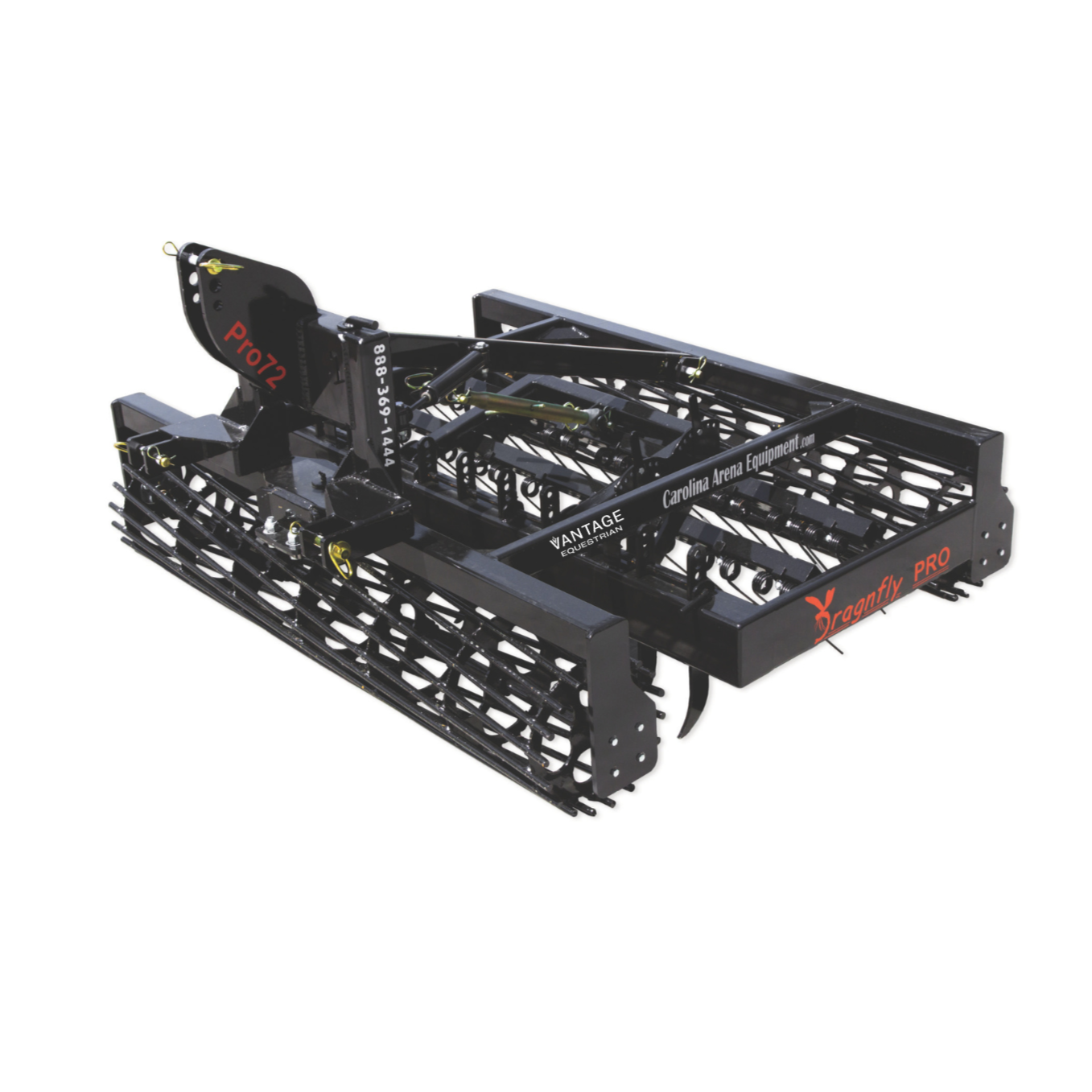
Arena Groomers
Designed to maintain grade and surface consistency—so your footing performs the way it was built to.
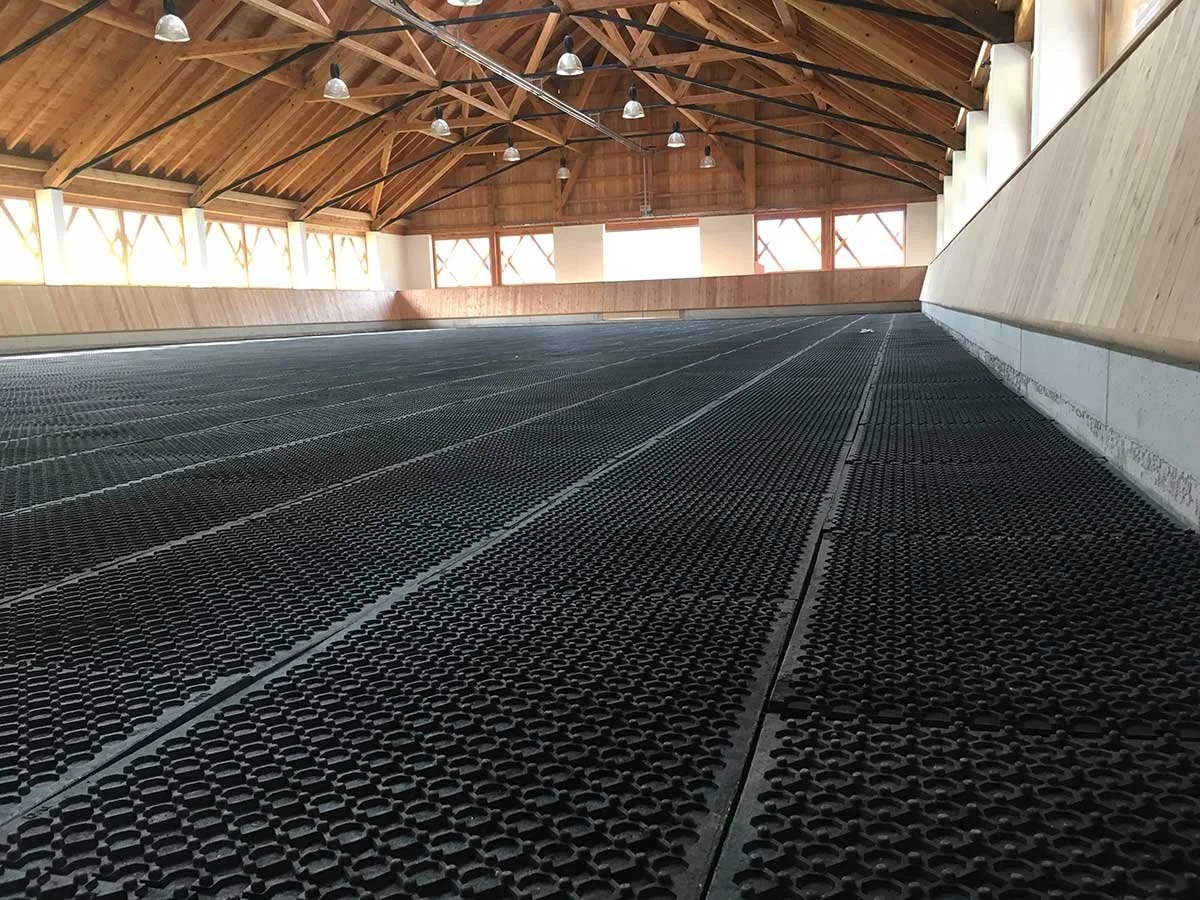
Arena Bases
The foundation that controls drainage, stability, and consistency—supporting the footing layer above it.

INTRODUCING
Arena Insights
Powerful Tools. Smarter Decisions. Better Arenas
Arena Insights is a suite of AI-powered tools and reports designed to help you design, build, and maintain arenas that perform at their best—today and for years to come




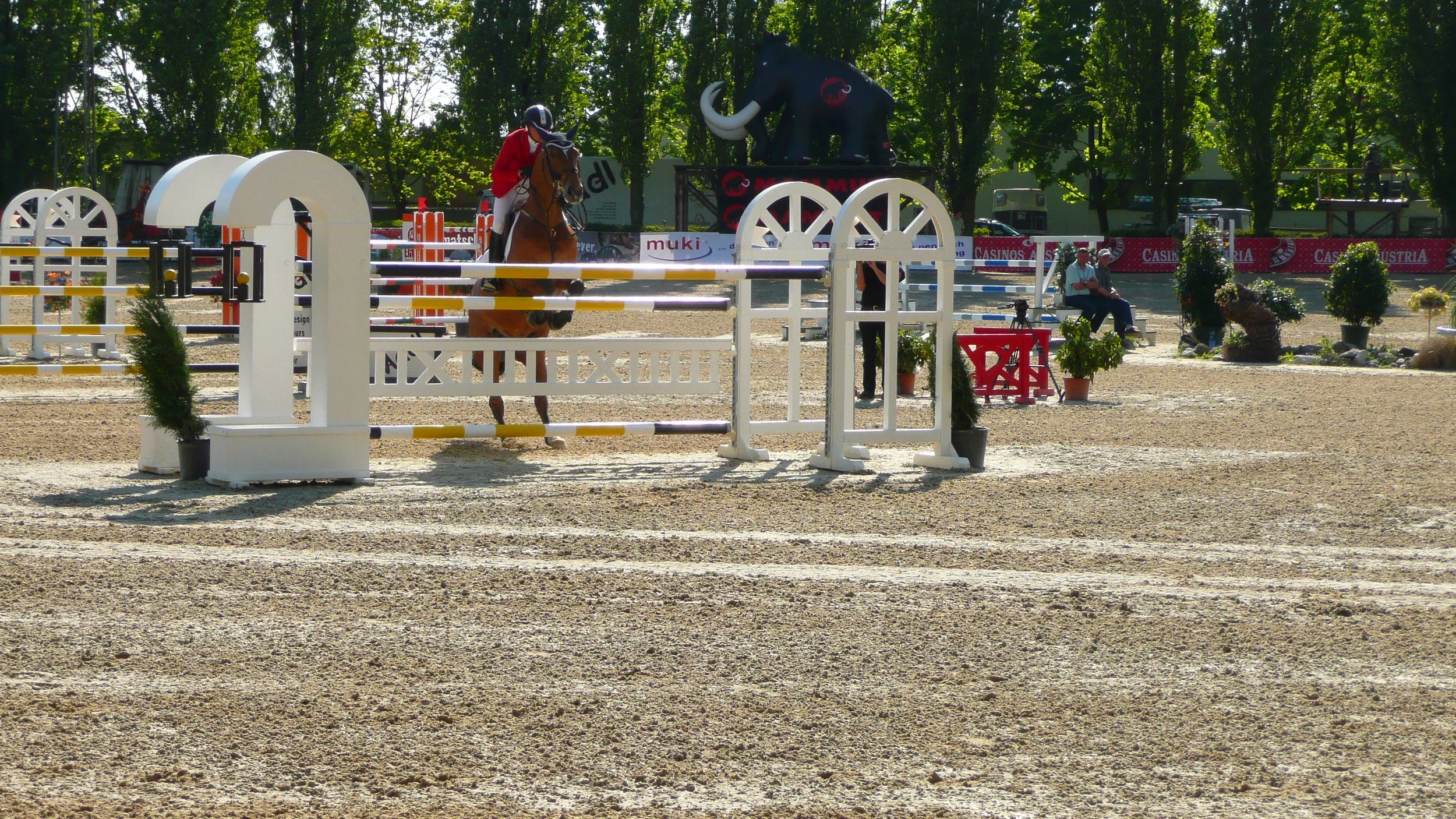
Why Your Arena Surface Matters
Every footing decision is ultimately a decision about the horse.
Surface performance is driven by sand characteristics, moisture behavior, and how materials respond under load. When those factors aren’t aligned, consistency suffers—and so does horse comfort and confidence.
A properly engineered footing system manages impact, supports the hoof, and maintains uniform response across the arena.
That’s where Vantage blends are built to perform.
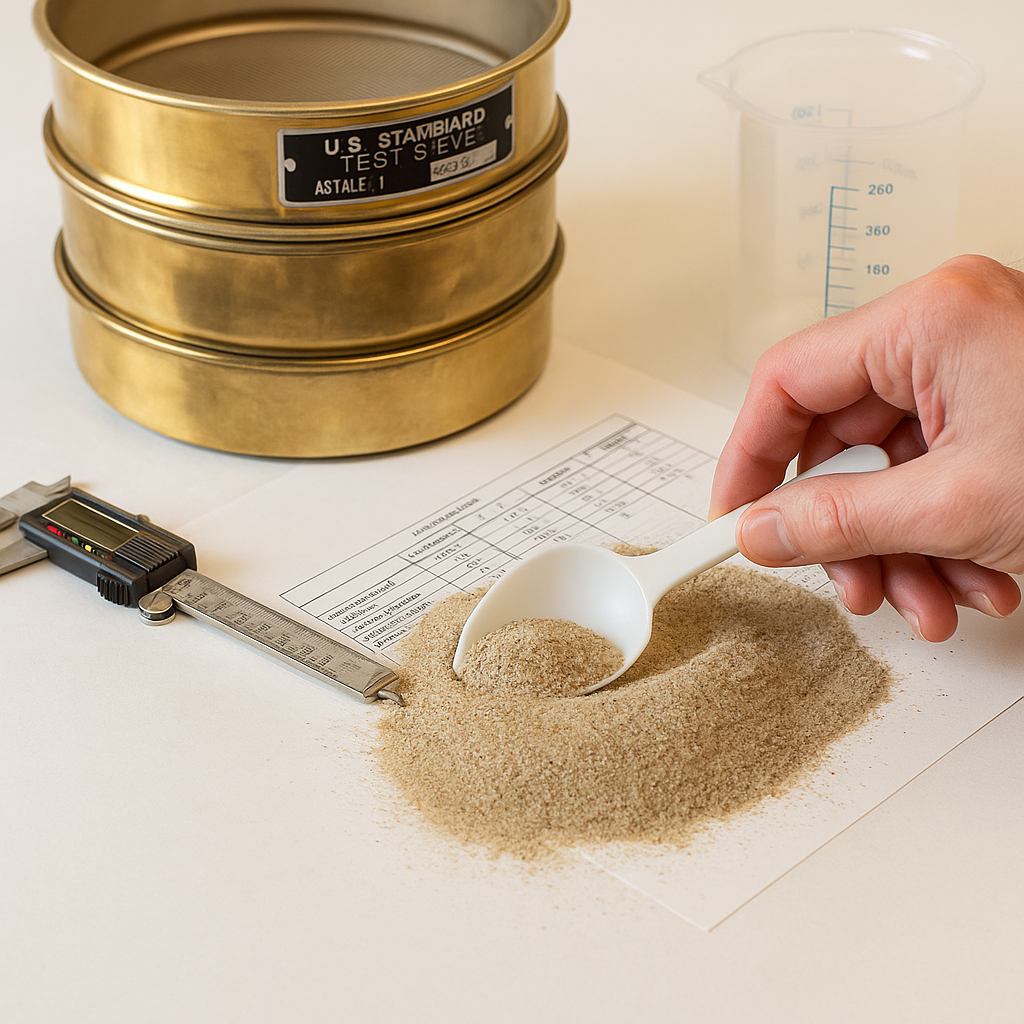
Most footing issues don’t come from what’s added on top.
They come from the sand underneath.
Particle shape, gradation, and mineral composition determine how your arena compacts, drains, and responds under the horse.
Send us a sample and we’ll show you exactly what your footing is doing — and what to do next.
Not sure what your footing is doing?
A Great Arena Depends on More Than Footing
Even the best footing won’t perform if the base, drainage, and construction aren’t done correctly.
That’s why we work with experienced builders who understand how each layer of the arena affects surface performance.
If you need support, we’ll connect you with the right team — and help ensure your arena is built to perform from the ground up.
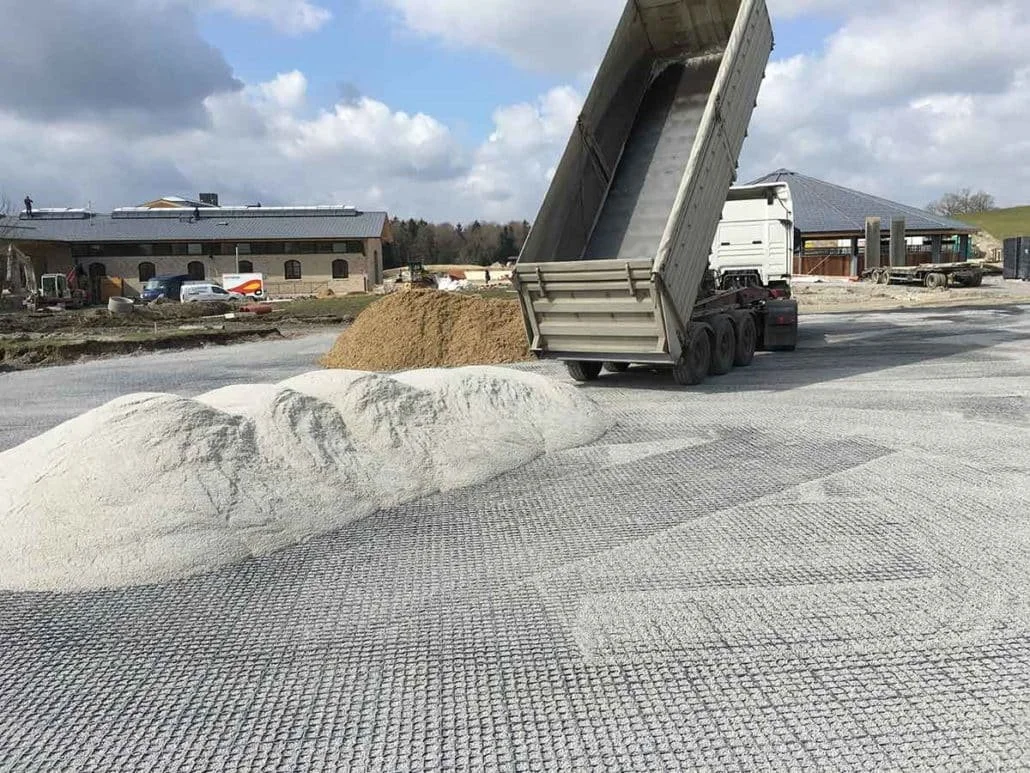
Installing Footing Doesn’t Have to Be Guesswork
-

Preparation
-

Spreading
-

Blending / Mixing
-

Grooming and Finishing
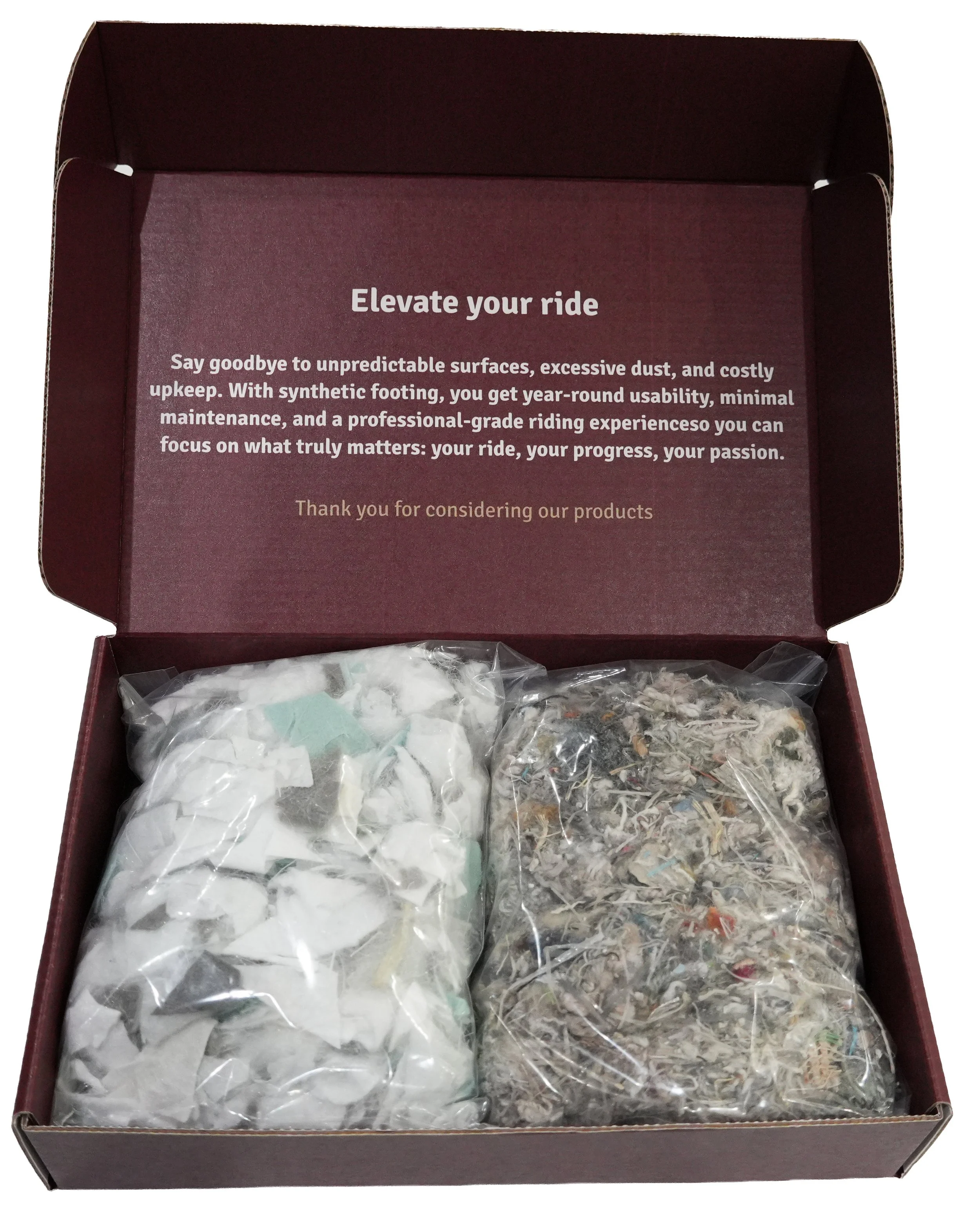
Don’t Guess at Your Footing
Seeing and handling the materials is one step.
Understanding how they behave under the horse is what matters.
Order a sample box to evaluate the components, and pair it with insight into how your footing should perform in your arena.
FAQ
How does footing vary by discipline?
Different disciplines place different demands on the surface. Jumpers require stability and energy return, while dressage emphasizes consistency and controlled cushion.
The right footing comes from matching sand characteristics and surface behavior to how the horse loads and moves in that discipline.
What depth should my footing be?
Most arenas use 3–4 inches, but depth alone doesn’t determine performance.
Sand type, moisture, and compaction all influence how the surface feels under the horse.
The right depth is one part of a system—not a standalone answer.
Can you help design my arena?
Yes. We provide guidance on sand selection, footing blends, base construction, drainage, and maintenance.
The goal is to create a system where each layer works together to deliver consistent performance over time.
Why does arena footing become inconsistent over time?
Inconsistent footing is usually caused by changes in sand structure, moisture imbalance, and compaction—not just surface wear.
Without understanding how those factors behave, even well-built arenas can become unpredictable.
Does the sand really matter that much?
Yes. Sand is the primary factor in how your arena performs.
Particle shape, gradation, and mineral composition determine how the surface compacts, drains, and responds under the horse.
Everything added on top works within that foundation.
How do I know if my footing is working properly?
The way a surface feels can change gradually, making issues hard to identify early.
Evaluating sand behavior, moisture response, and compaction helps determine whether your footing is performing as intended—and what adjustments are needed.
Do you ship nationwide?
Yes — we coordinate delivery anywhere in the U.S.